
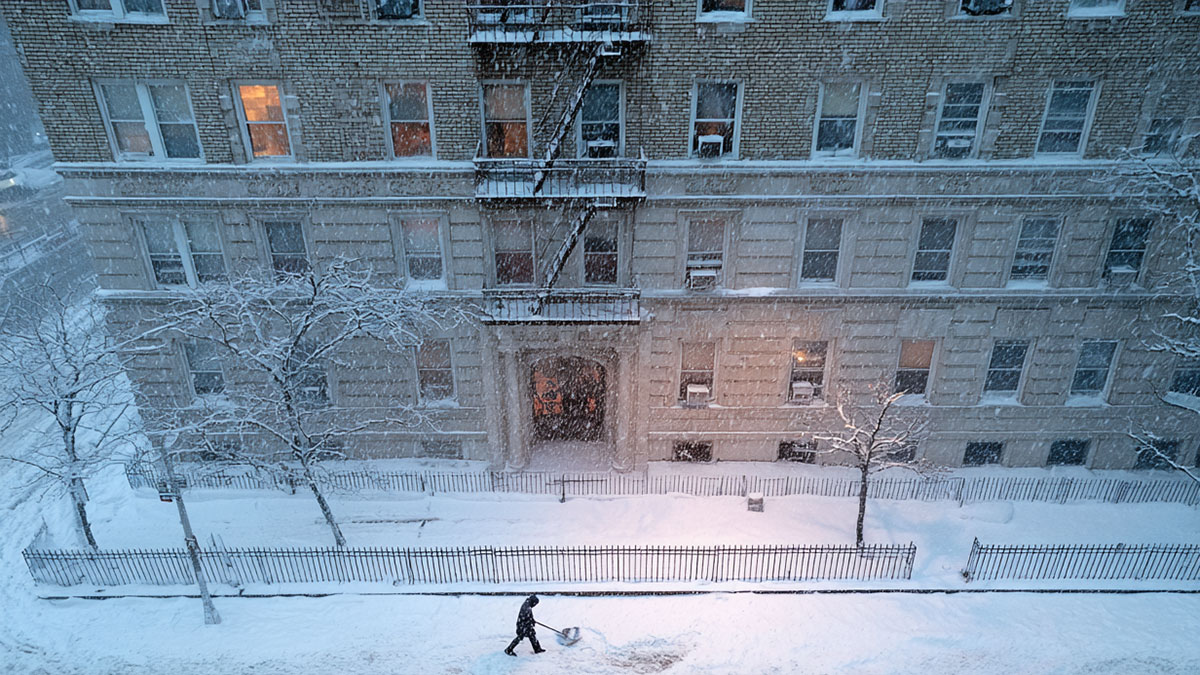
When a winter storm warning hits New York City, most people focus on travel delays, school closures, and snow removal. But extreme cold, heavy snow, and icy conditions can have serious and sometimes life-threatening effects on your health — especially for seniors, people with chronic conditions, and those who delay medical care during storms.
In NYC, winter storms don’t just bring snow. They bring dangerous temperatures, black ice, poor air quality, power outages, and reduced access to healthcare. Emergency rooms often see spikes in heart attacks, asthma attacks, slip-and-fall injuries, and complications from untreated conditions during and after major winter weather events.
Understanding how winter storms affect your body — and knowing when to seek care — can help you stay safe and avoid preventable emergencies.
At a glance
- Extreme cold increases heart strain and the risk of heart attacks
- Winter air can worsen asthma, COPD, and other respiratory conditions
- Snow and ice lead to a sharp rise in slips, falls, fractures, and head injuries
- Storms often cause delayed medical care, making conditions worse
- Seniors, children, and people with chronic illnesses face the highest risks
- Timely access to diagnostics and primary care is critical — even during storms
How Extreme Cold Puts Extra Strain on Your Heart
Cold weather forces your body to work harder to stay warm. Blood vessels constrict (vasoconstriction) to conserve heat, which raises blood pressure and increases the workload on the heart.
According to the American Heart Association, cold temperatures can:
- Increase the risk of heart attacks
- Trigger angina (chest pain)
- Worsen heart failure symptoms
Why Winter Is Especially Risky in NYC
- Shoveling heavy snow is a major cardiac trigger, especially for people who are inactive or have underlying heart disease
- Cold stress combined with slippery conditions increases physical strain
- Delayed care during storms means symptoms may be ignored until they become severe
Warning signs to watch for:
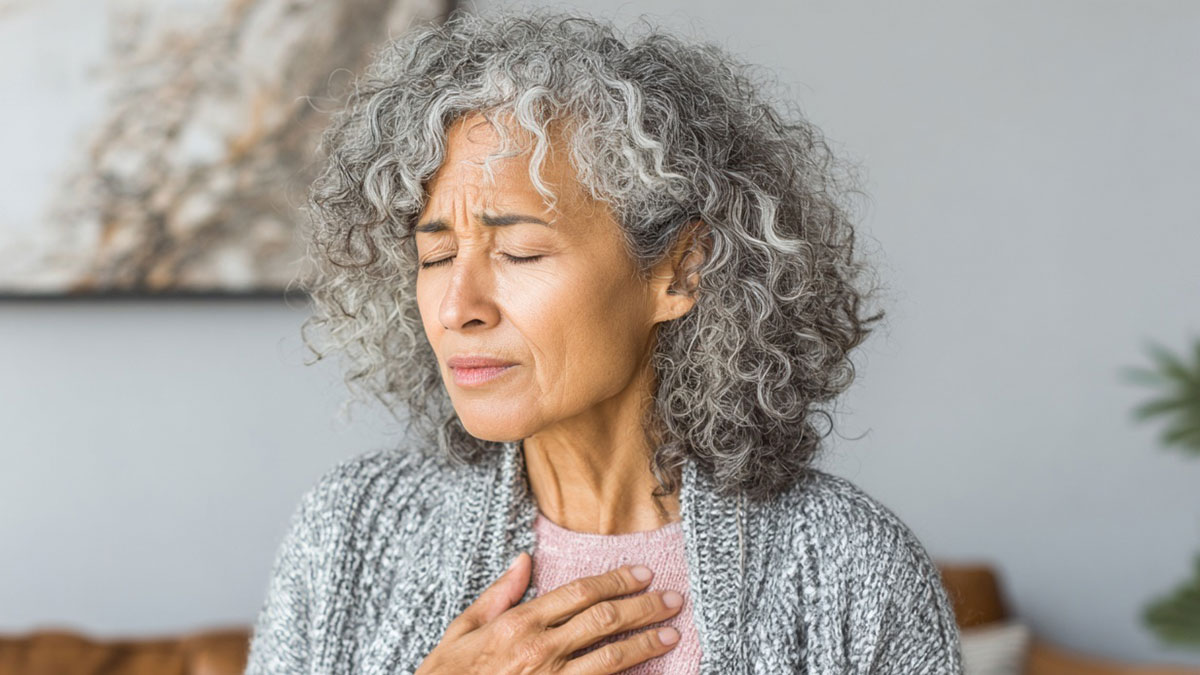
- Chest pain or pressure
- Shortness of breath
- Dizziness or fainting
- Unusual fatigue
➡️ If you have a history of heart disease or high blood pressure, winter storms are not the time to “tough it out.”
Helpful resource: American Heart Association – Cold Weather and Heart Health (heart.org)
Asthma & Respiratory Flare-Ups During Winter Storms
Cold, dry air is a powerful trigger for asthma attacks and COPD exacerbations. During winter storms, respiratory issues often worsen due to:
- Cold air irritating the airways
- Increased indoor allergens (dust, mold, pet dander)
- Poor ventilation from sealed buildings
- Respiratory infections spreading more easily
The Centers for Disease Control and Prevention reports that winter months see higher rates of asthma-related ER visits, especially in urban areas like NYC.
Who’s Most at Risk?
- Children with asthma
- Seniors with COPD
- People recovering from respiratory infections
- Individuals exposed to indoor smoke or poor heating systems
Symptoms that shouldn’t be ignored:
- Wheezing or coughing
- Chest tightness
- Trouble breathing
- Increased use of rescue inhalers
If you or your child has asthma, early evaluation and medication adjustments can prevent emergency situations.
Helpful resource: Centers for Disease Control and Prevention – Asthma and Cold Weather (cdc.gov)
Slips, Falls & Winter Injuries: A Major NYC Health Threat
Snow-covered sidewalks, icy staircases, and untreated building entrances make winter storms one of the leading causes of injury in NYC.
According to the National Safety Council, winter conditions significantly increase:
- Slips and falls
- Hip fractures
- Wrist and ankle injuries
- Head trauma
Why Falls Are So Dangerous
For older adults, a single fall can lead to:
- Loss of independence
- Long hospital stays
- Permanent mobility issues
Even younger adults can suffer serious injuries that require imaging, physical therapy, or surgery.
Red flags after a fall:
- Head impact (even without loss of consciousness)
- Severe pain or swelling
- Inability to bear weight
- Dizziness or confusion
➡️ Diagnostic imaging such as X-rays, CT scans, or MRIs can quickly identify injuries and prevent complications.
Helpful resource: National Safety Council – Winter Safety (nsc.org)
The Hidden Danger: Delayed Medical Care During Storms
One of the most overlooked health risks during winter storms is delayed care.
People often postpone medical visits because:
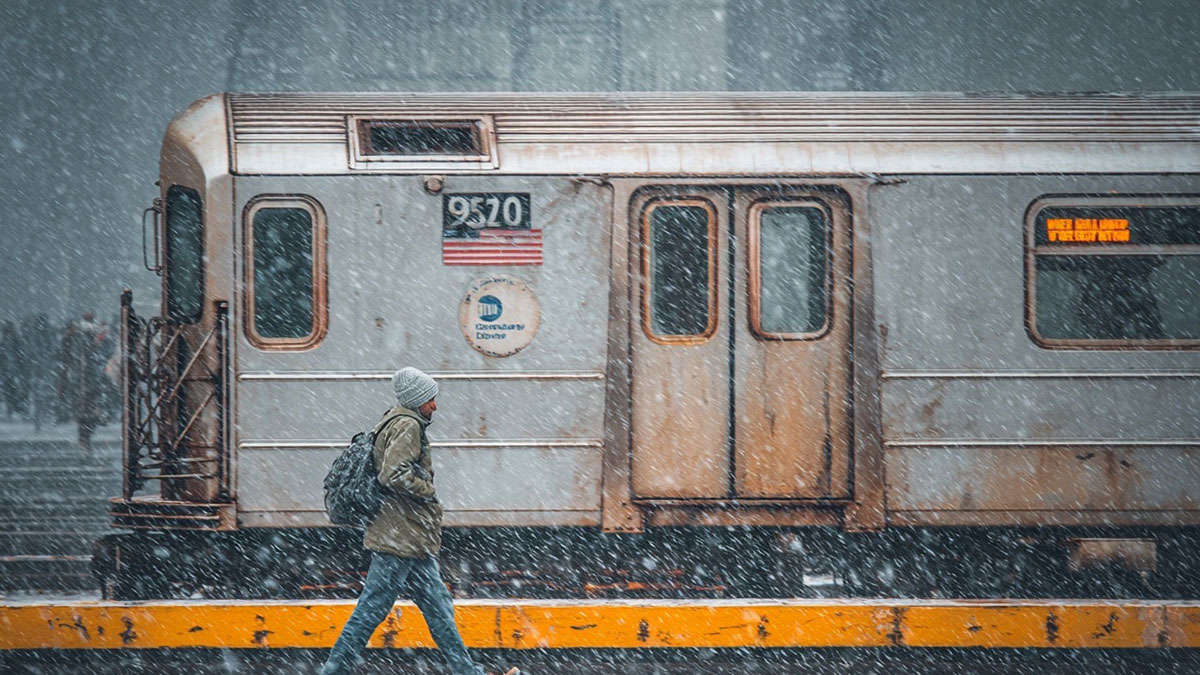
- Travel feels unsafe
- Public transportation is disrupted
- They assume symptoms will pass
- They don’t want to “bother” healthcare providers
Unfortunately, delayed care can turn manageable conditions into medical emergencies.
Common Conditions That Worsen With Delay
- Heart symptoms
- Infections
- Diabetic complications
- Respiratory distress
- Injuries from falls
The New York City Department of Health has repeatedly warned that delays during extreme weather events contribute to higher hospitalization rates after storms.
Helpful resource: New York City Department of Health – Extreme Cold Weather Health Tips (nyc.gov)
Who Needs Extra Caution During NYC Winter Storms?
Some populations are especially vulnerable:
- Seniors – higher fall risk, chronic conditions
- People with heart disease or hypertension
- Asthma and COPD patients
- Diabetics – circulation and infection risks
- Children – respiratory sensitivity and injury risk
If you or a loved one falls into one of these groups, proactive medical care and monitoring are essential during winter weather.
How to Protect Your Health During a Winter Storm
Smart Winter Health Tips
- Avoid strenuous activity like heavy snow shoveling
- Dress in layers and protect your face from cold air
- Keep medications filled and easily accessible
- Use handrails and wear proper footwear outdoors
- Seek medical evaluation early—don’t wait
Preventive care and timely diagnostics can make all the difference.
When to Seek Medical Care — Even During a Storm
Do not delay care if you experience:
- Chest pain or breathing difficulty
- Severe asthma symptoms
- A fall with pain or head injury
- Signs of infection or worsening chronic illness
Many conditions are far easier to treat when caught early—even during extreme weather.
Call to Action: Your Health Can’t Wait for the Weather
Winter storms are unpredictable—but your healthcare doesn’t have to be.
If you’re experiencing symptoms related to heart health, respiratory issues, injuries, or chronic conditions, Starling Health is here to help with timely evaluations, advanced diagnostics, and compassionate care.
? Call us today or schedule an appointment online to ensure your health stays protected — even during NYC’s toughest winter weather.
How Starling Health Helps Close the Gap in NYC
At Starling Health in Parkchester, Bronx, our mission is to bring high-quality, accessible care directly to the community. We offer:
- Primary Care
- Diabetes Screenings
- A1C Testing
- Ultrasounds & Imaging
- Preventive Care Services
- Diagnostic Testing for Kidney, Heart, and Eye Health
Our team understands the cultural, economic, and social challenges that many Bronx residents face — and we are committed to making care easier, more convenient, and more accessible.
If you’re experiencing symptoms of thyroid imbalance — or if you simply want peace of mind — now is the time to act.
Schedule an appointment with our endocrinologist at Starling Health today.
(718) 319-1610
Request an appointment.
Early diagnosis can make a life-changing difference.
If you have questions or need to schedule an appointment, our team at Starling Health is here to help with timely evaluations, advanced diagnostics, and compassionate care.
Disclaimer
This article is for informational purposes only and should not be considered medical advice. Every patient's situation is unique. Always consult with your physician or qualified healthcare provider regarding your specific condition or before making any medical decisions.


