

Dry skin is one of the most common skin concerns, especially during colder months or when indoor heating strips away moisture. While mild dryness can often be managed with moisturizers and good skincare habits, persistent or severe dryness may signal an underlying condition that requires professional attention from a dermatologist.
Understanding Dry Skin (Xerosis)
Dry skin—also known as xerosis—occurs when your skin loses too much water or natural oils. This can happen for many reasons, such as:
- Cold weather or low humidity
- Hot showers or over-washing
- Harsh soaps or detergents
- Aging (as oil production decreases over time)
- Medical conditions like eczema, psoriasis, diabetes, or thyroid disorders
Dryness can affect any part of the body but is especially common on the hands, arms, lower legs, and face.
When to See a Dermatologist
While most dry skin can be treated at home, there are certain red flags that mean it’s time for professional care.
You should schedule an appointment if you experience:
- Severe itching that keeps you awake at night
- Cracks, bleeding, or open sores
- Red, inflamed, or scaly patches
- Painful or tender areas
- No improvement after several weeks of using moisturizers or over-the-counter creams
These symptoms can indicate conditions such as eczema, psoriasis, or allergic contact dermatitis. In some cases, persistent dryness could even signal systemic issues like diabetes or thyroid imbalance, which can be evaluated by your primary care provider.
Effective Home Remedies for Dry Skin
Before your skin reaches the point of needing prescription treatment, try incorporating these dermatologist-recommended strategies:
- Use gentle, fragrance-free cleansers. Avoid harsh soaps and alcohol-based products.
- Moisturize immediately after bathing. Apply lotion or cream within three minutes of drying off to lock in moisture.
- Choose thick creams or ointments. Ingredients like ceramides, hyaluronic acid, shea butter, or glycerin are highly effective.
- Avoid very hot water. Lukewarm showers help prevent skin dehydration.
- Use a humidifier at home. This adds moisture to the air and reduces dryness from heating systems.
- Stay hydrated. Drink plenty of water and include omega-3 fatty acids (from salmon, walnuts, flaxseeds) in your diet.
If symptoms persist despite these steps, a dermatologist can prescribe medicated creams or ointments and identify any underlying conditions.
Possible Underlying Conditions
Sometimes, dry skin is more than just a nuisance—it can be a symptom of a medical condition.
Common causes include:
- Eczema (Atopic Dermatitis): Causes red, itchy, inflamed skin and often runs in families.
- Psoriasis: Leads to thick, scaly patches caused by an overactive immune system.
- Seborrheic Dermatitis: Affects oily areas like the scalp or face.
- Ichthyosis: A genetic condition that leads to very dry, thickened skin.
- Hypothyroidism or Diabetes: Both can cause persistent skin dryness due to hormonal and circulatory changes.
If you suspect one of these conditions, a dermatologist can provide accurate testing and recommend appropriate therapies.
Professional Treatments for Dry Skin
If your dryness doesn’t improve with over-the-counter products, a dermatologist may recommend:
- Prescription creams or ointments with stronger ingredients like corticosteroids or calcineurin inhibitors.
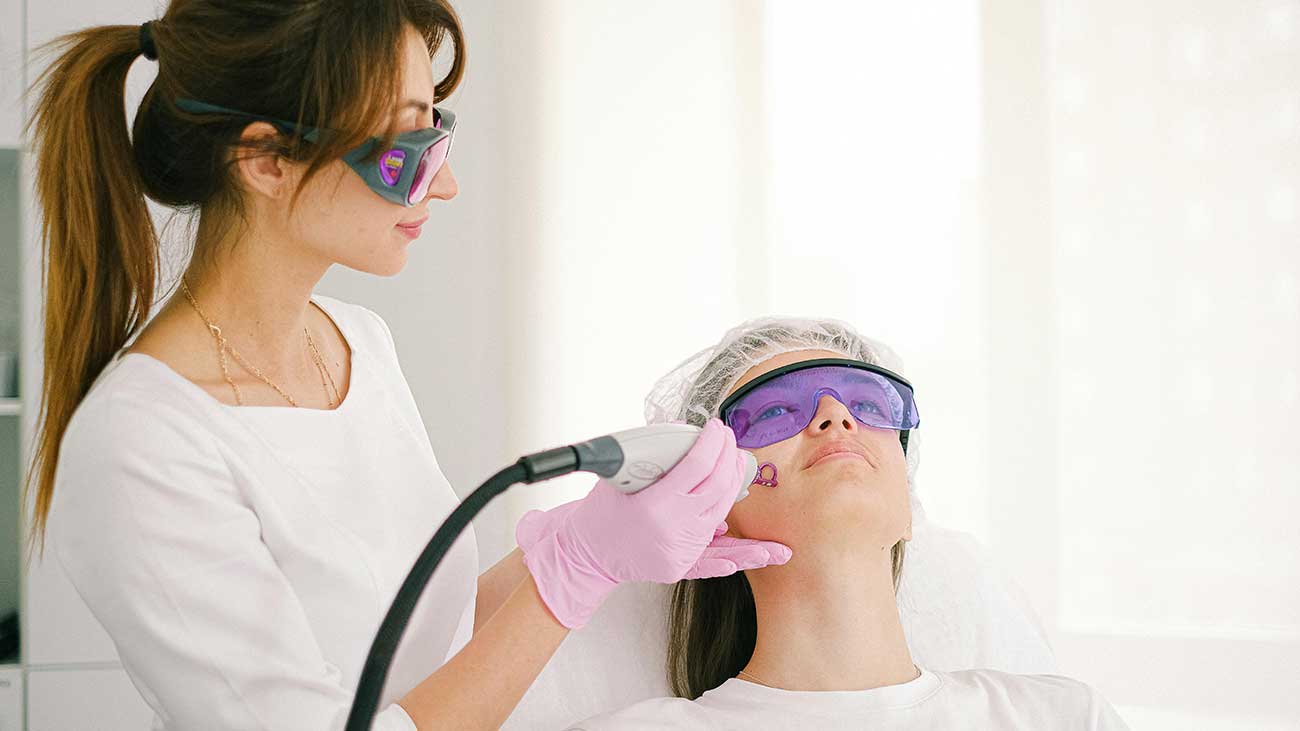
- Phototherapy (light therapy) for eczema or psoriasis.
- Patch testing to identify allergic reactions or irritants.
- Lifestyle and skincare counseling to prevent flare-ups.
In addition, Starling Diagnostics can help coordinate care between dermatology and your primary care physician, ensuring a holistic approach to your skin health.
When Dry Skin Becomes a Medical Concern
Dry skin can sometimes become infected if cracks or sores allow bacteria to enter. If you notice yellow crusting, pus, or spreading redness, seek medical attention promptly.
Even if your symptoms seem minor, chronic skin issues can impact quality of life and self-confidence—getting professional help early can make all the difference.
Resources
If you have questions or need to schedule an appointment, our team at Starling Health is here to help with timely evaluations, advanced diagnostics, and compassionate care.
Disclaimer
This article is for informational purposes only and should not be considered medical advice. Every patient's situation is unique. Always consult with your physician or qualified healthcare provider regarding your specific condition or before making any medical decisions.