

Medical imaging has revolutionized how doctors diagnose and treat various conditions. Among the most commonly used imaging tools are MRI (Magnetic Resonance Imaging) and CT (Computed Tomography) scans.
Understanding MRI Scans
MRI scans use magnetic fields and radio waves to create detailed images of organs, soft tissues, and bones. They are particularly effective for diagnosing:
- Brain and spinal cord conditions (tumors, stroke, multiple sclerosis)
- Joint and ligament injuries (knee, shoulder, hip)
- Soft tissue tumors
- Heart and vascular issues
Advantages of MRI:
- No radiation exposure
- Superior soft tissue contrast
- Can provide functional imaging for brain activity
Limitations of MRI:
- Longer scan times (30–60 minutes)
- May not be suitable for patients with metal implants, pacemakers, or certain claustrophobia
- More expensive than CT
Understanding CT Scans
CT scans use a series of X-ray images to produce cross-sectional images of the body. They are highly effective in emergency situations and for examining bones and lungs. Common uses include:
- Bone fractures
- Internal bleeding or trauma
- Lung infections, pneumonia, or pulmonary embolism
- Abdominal pain and organ evaluation
Advantages of CT scans:
- Quick imaging, ideal for emergencies
- Excellent for bone injuries and detecting bleeding
- Can be combined with contrast dye for better visualization
Limitations of CT:
- Uses ionizing radiation
- Less detailed for soft tissues compared to MRI
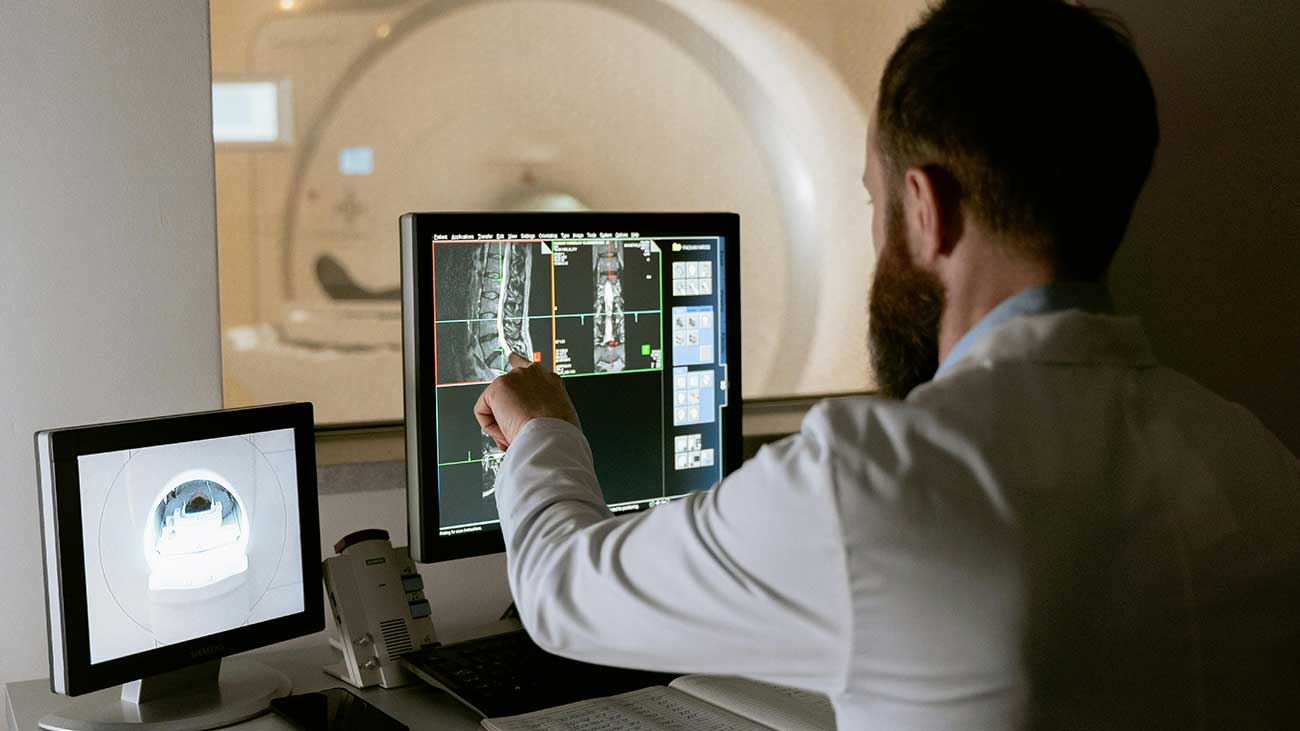
MRI vs CT: How to Decide
Choosing between MRI and CT depends on several factors:
| Factor | MRI | CT |
| Speed | Slower, can take up to an hour | Very fast, usually 10–20 minutes |
| Radiation | None | Uses X-rays |
| Soft tissue detail | Excellent | Moderate |
| Bone imaging | Moderate | Excellent |
| Emergency use | Less common | Highly preferred |
Common scenarios:
- Severe trauma or suspected internal bleeding: CT is typically first choice.
- Chronic joint pain or suspected ligament injury: MRI provides detailed soft tissue imaging.
- Brain evaluation for stroke vs tumor: MRI is superior for soft tissue contrast, but CT is faster in acute stroke cases.
Preparing for Your Scan
- MRI preparation: Remove metal objects, inform staff about implants, and follow any fasting instructions if contrast is needed.
- CT preparation: Often requires contrast dye, which may need fasting; notify the technician about allergies to iodine.
Tips for both scans:
- Arrive early to complete forms
- Wear comfortable, loose-fitting clothing
- Bring previous imaging results if available
Both MRI and CT scans are vital tools in modern medicine. Choosing the right scan depends on your symptoms, medical history, and what your doctor needs to investigate. When in doubt, your healthcare provider can recommend the most appropriate imaging modality to ensure accurate diagnosis and treatment.
Resources
If you have questions or need to schedule an appointment, our team at Starling Health is here to help with timely evaluations, advanced diagnostics, and compassionate care.
Disclaimer
This article is for informational purposes only and should not be considered medical advice. Every patient's situation is unique. Always consult with your physician or qualified healthcare provider regarding your specific condition or before making any medical decisions.


